It appears that workplace stress is a prevalent and growing issue for women in many occupations today.
It is reasonable to expect a level of work stress as part of a career, but a constant source of stress with little in the way of resources and recovery can lead to both psychological and physical health issues.
For a great many women, the demands of work go beyond their time spent in the office; indeed, these stresses, can lead to an accumulation of stresses over a lifetime and chronic burnout.
Women are now expected to play more roles than ever before: not only in the workplace but in family and household roles, and as caregivers. The demands of all these roles can be very taxing for women. If the workplace demands lead to a cumulative rather than reactive state, then virtually all of daily life can be affected.
It appears that one of the first health issues that many women will face as a result of this chronic workplace stress will be mental health issues. Women will experience high levels of anxiety, chronic worrying, poor concentration, a sense of being emotionally drained as stress builds, reduced motivation to do things both at work and home, and will often feel irritation and a sense of despair about her circumstances. Ultimately, long-term stress in the workplace can also lead to women experiencing anxiety disorders, depression, andburnout.
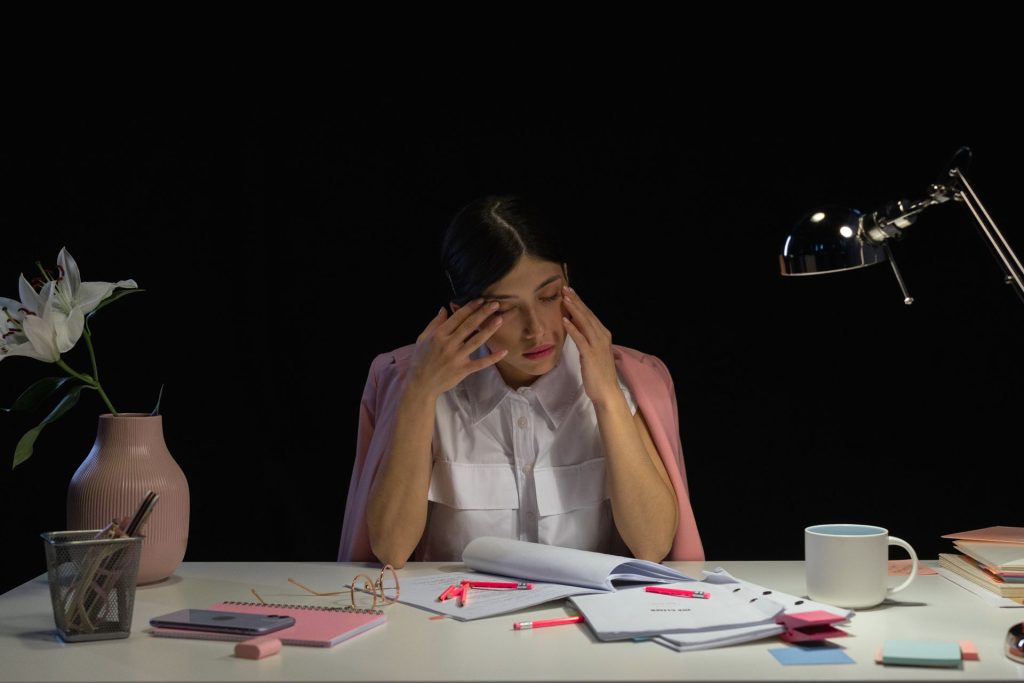
Understanding the Issues And Getting Help and Support
Workplace stress doesn’t only have emotional consequences; it can also have a significant effect on physical well-being. If an individual is forced to live in an alert, responsive state for extended periods of time, stress hormones like adrenaline and cortisol will continue to pump through their system. Although beneficial in short periods of time, these hormones put great strain on the body when activated long-term.
Many women who suffer from prolonged stress will also report symptoms such as tension, headaches, muscle pain, fatigue, digestive complaints, and problems with sleep. In particular, lack of sleep will exacerbate existing stress and make it more manageable. The negative health implications can include the development of risk factors for cardiovascular disease and impaired immune system functions.
High-achieving women may be at particular risk for the detrimental effects of workplace stress. Most professionals adhere to an unusually high set of standards for themselves and expect to perform well in all aspects of their life.
They may be unwilling to admit they have reached their stress threshold because they feel pressure to perform well and to remain highly productive. Some may be fearful of admitting they need support or time to tend to their own needs because they think others will see them as inadequate. Admitting their feelings and taking care of themselves are the first steps toward ensuring a healthy and successful future.
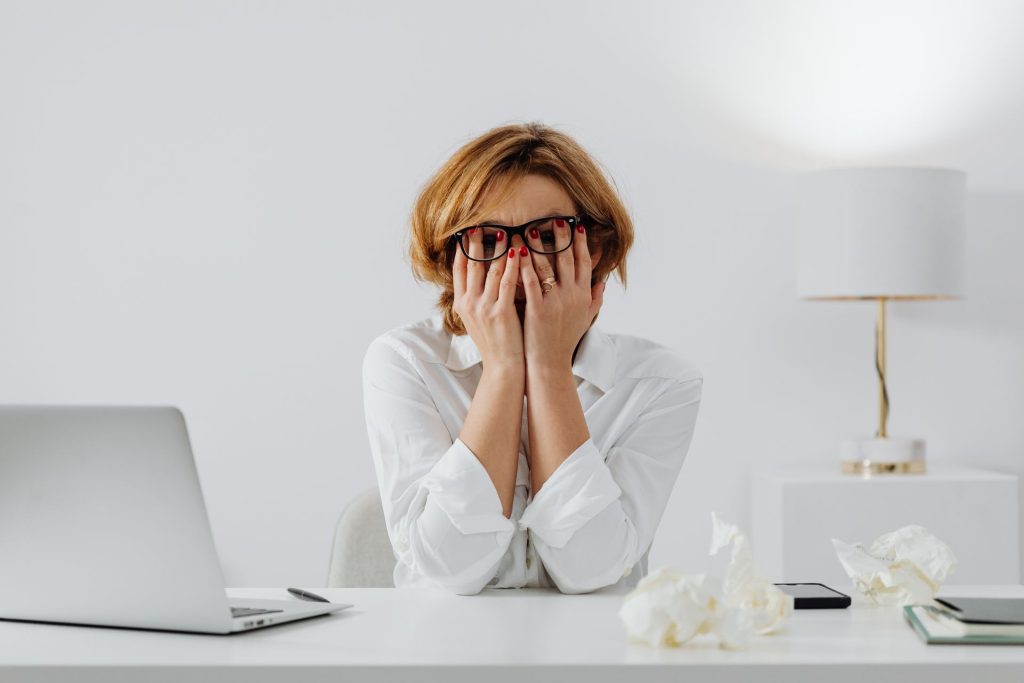
Therapy can play a valuable role in helping women manage workplace stress before it develops into more serious mental or physical health concerns. A supportive therapeutic environment allows individuals to explore the sources of their stress, identify unhelpful patterns, and develop healthier coping strategies.
Therapy can also help women establish boundaries, improve work-life balance, challenge perfectionistic thinking, and build resilience in the face of ongoing demands. Workplace stress is a reality for many women, but it does not have to define their lives.
By recognising the signs of chronic stress and taking proactive steps to care for both mental and physical health, women can create a more sustainable balance between professional success and personal well-being. Seeking support is not a sign of weakness it is an investment in long-term health, resilience, and quality of life.
Leave a Reply